Treatments
Expert Treatments for Your Pet's Well-being.
Comprehensive Care Tailored to Address Common Pet sicknesses.
Common Diseases Affecting Dogs
Understanding and Addressing Common Health Concerns in Canine Companions
Distemper
Transmitted by contact with secretions from an infected dog’s nose. Causes pneumonia and seizures. There is no cure for the disease. Several vaccines exist that prevent the disease. Distemper is the leading cause of infectious disease death in dogs.
Parvovirus
Transmitted by exposure to contaminated feces. It causes vomiting and diarrhea. Treatment is intensive, requiring intravenous fluids and medications. Mainly a disease of unvaccinated puppies and dogs; younger pups are more likely than older dogs to die.
Hepatitis (Adenovirus)
The virus is found in feces and saliva. It causes fever, vomiting, and diarrhea. Treatment consists of aggressive fluid therapy. Often fatal, but prevented through vaccination.
Parainfluenza
Transmitted by nasal secretions. Causes coughing and sneezing. Antibiotic treatment helps speed recovery.
Leptospirosis
Picked up from water contaminated by infected urine. Causes kidney and liver disease. Many infections go unnoticed; severe infections are often fatal.
Bordetella
Transmitted by nasal secretions. Causes coughing and sneezing. Antibiotic treatment helps control symptoms.
Lyme disease
Transmitted by ticks. Causes fever and joint inflammation. Treatment with antibiotics usually successful.
Giardia
Picked up by drinking contaminated water. Causes diarrhea. Treated with antibiotics
Kennel Cough
Kennel cough, a contagious disease caused by a combination of viruses and bacteria, manifests as a forceful, hacking cough in dogs. Affected dogs should be kept in a warm environment with restricted exercise and isolated from other animals to prevent spreading. Treatment isn't always necessary as the cough often resolves in 2-3 weeks. However, antibiotics may be prescribed if the infection spreads to the chest.
Fleas
Dog fleas, small insects that lay eggs in fur, cause itching, leading to scratching, biting, and licking in dogs. Signs include crusty rashes or hair loss, especially in allergic dogs. Regular treatment of both dogs and their environment is essential. Various products like tablets, sprays, shampoos, and spot-ons can eliminate fleas. Laundering dog bedding and thorough home cleaning is crucial to eradicating eggs.
Dog Diarrhoea
Diarrhoea in dogs can result from various causes like diet changes, bacterial infections, or digestive system damage. It disrupts normal large bowel function, leading to frequent bowel movements and softer stools. Feeding your dog a diet of plain chicken and rice for 1-2 days often improves the condition. If there's no improvement, seeking advice from a local vet is recommended. Puppies suffering from diarrhoea should be promptly seen by a vet as they can dehydrate quickly.
Poisoning
Dogs may be poisoned by ingesting harmful substances, displaying symptoms like drowsiness, vomiting, breathing difficulties, and seizures. Immediate veterinary attention is crucial. Preventive measures include keeping toxic substances out of reach
Dog Ear Infections
Often caused by excess moisture, ear infections in dogs are painful and itchy. Signs include ear scratching, head shaking, or rubbing against the floor. Treatment involves ear drops and regular ear cleaning.
Conjunctivitis
Similar to humans, conjunctivitis in dogs causes eye discomfort, leading to pawing, blinking, or squinting. Veterinary treatment usually involves eye drops or ointments, sometimes requiring antibiotics.
Pancreatitis
An inflammatory condition in dogs and cats, pancreatitis causes digestive enzymes to leak into the pancreas, leading to symptoms like refusal to eat, lethargy, and abdominal upset. Seeking veterinary care is vital if concerned about a pet's health.
Mange
Mange, caused by tiny mites on the skin, results in itching and hair loss in dogs. Treatment includes drugs, anti-parasitic shampoos, dips, and spot-ons.
Ringworm
A contagious fungal infection in dogs results in hair loss and crusty patches. Immediate treatment is necessary to prevent transmission to other animals or humans.
Common Diseases Affecting Cats
Understanding and Addressing Common Health Concerns in Cats
Kidney Disease
Kidneys play a vital role in filtering waste and regulating blood and water levels. Issues with kidneys can lead to acute renal failure or chronic kidney disease in cats. Early diagnosis and proper care are essential. Symptoms include frequent urination, weight loss, increased water consumption, dry coat, vomiting, diarrhea, or cloudy urine.
Dental Disease
Approximately 50% to 90% of cats over four suffer from dental issues. Gingivitis, periodontitis, and tooth resorption are common dental problems in cats, varying in severity. Symptoms include red or swollen gums, inability to eat, halitosis, or drooling.
Diabetes
Cats can suffer from diabetes due to insulin production issues. It can be managed with proper care, and symptoms include weight loss, increased thirst or urination, lethargy, dehydration, change in appetite, or sweet-smelling breath.
Feline Immunodeficiency Virus (FIV)
FIV compromises a cat’s immune system, transmitted through bite wounds primarily in outdoor male cats. While there's no cure, proper management can ensure a normal life. Symptoms may include gingivitis, appetite loss, poor coat condition, fever, or recurring infections.
Feline Leukemia Virus (FeLV)
FeLV, a cancer-causing retrovirus, weakens the immune system, making cats susceptible to severe diseases. Symptoms include seizures, eye conditions, persistent diarrhea, fever, weight loss, or loss of appetite.
Cancer
Lymphoma is the most common type of cancer affecting cats, but many different forms of the disease can occur. While a tumor often appears indicating cancer, it is not the only symptom, nor are all tumors cancerous. Many cases of feline cancer can go unnoticed, making routine veterinary exams paramount to early detection to improve treatment outcomes.
Obesity
Obesity in cats can lead to various health issues like diabetes, joint problems, heart disease, and reduced lifespan. Veterinary advice is recommended for weight management.
Pancreatitis
Inflammation of the pancreas, often accompanied by liver and intestinal inflammation in cats. Symptoms include vomiting, fever, abdominal pain, reduced appetite, or diarrhea.
Hyperthyroidism
A disease affecting middle-aged and older cats caused by increased thyroid gland hormones. Symptoms include excess energy, increased appetite, weight loss, or restlessness.
Broken Bones
Cats, like humans, can suffer broken bones due to excessive stress or pressure. Immediate veterinary attention is crucial for diagnosis and treatment.
High-rise Syndrome
Falling from heights can cause serious injuries in cats, leading to broken limbs or fractured teeth.
Sneezing
Occasional sneezing is normal, but persistent sneezing accompanied by lethargy, loss of appetite, or nasal discharge could indicate a respiratory infection. If concerned, consult a veterinarian.
Diarrhea
While occasional loose stools may not be concerning, persistent diarrhea in cats requires veterinary investigation to rule out serious issues.
Vomiting
Vomiting in cats can result from hairballs, eating too fast, or underlying health problems. Continuous or severe vomiting warrants veterinary attention.
Fleas
Cat fleas, difficult to eliminate, carry diseases harmful to cats and humans. Regular cleaning and vet-recommended prevention are crucial.
Tapeworms
Intestinal parasites affecting cats often carried through fleas. While usually not severe, ingestion can cause vomiting.
Eye Problems
Cats can suffer from various eye issues like cataracts, conjunctivitis, or glaucoma, treatable with early detection during routine vet check-ups.
Heartworms
Although more common in dogs, cats can host heartworms. Diagnosis requires a blood test and can cause respiratory distress.
Ringworm
A fungal infection causing itching and redness. Treatable through topical and oral medications upon detection.
Ear Mites
Tiny parasites reside in a cat’s ear canal, causing abnormal itching or grooming. Treatment involves thorough ear cleaning and medication.
Constipation
Cats may experience constipation leading to abdominal pain. Severe cases may require vet attention if accompanied by lethargy or reduced appetite.
Food Allergies
Food allergies in cats can lead to skin irritation, itching, diarrhea, or vomiting. Slowly transitioning to new food is recommended.
Feline Lower Urinary Tract Disease (FLUTD)
Conditions affecting a cat’s bladder and urethra, resulting in difficulty urinating, blood in urine, or increased urination. Diagnosis requires veterinary examination.
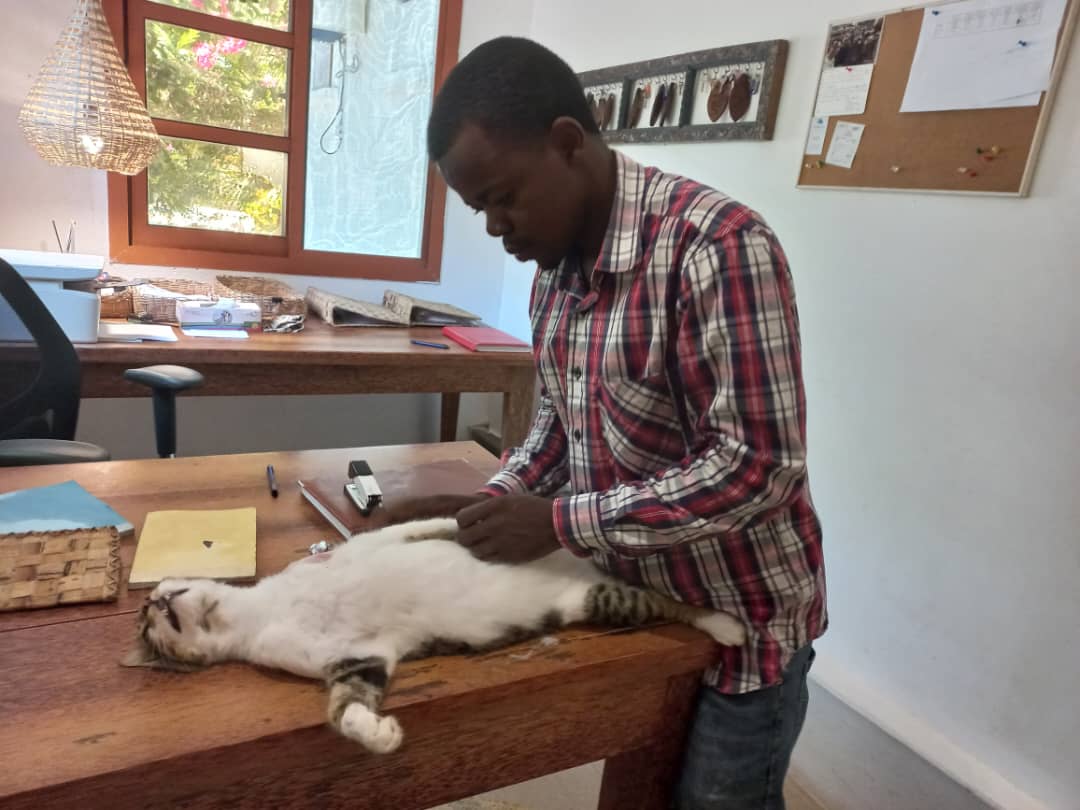
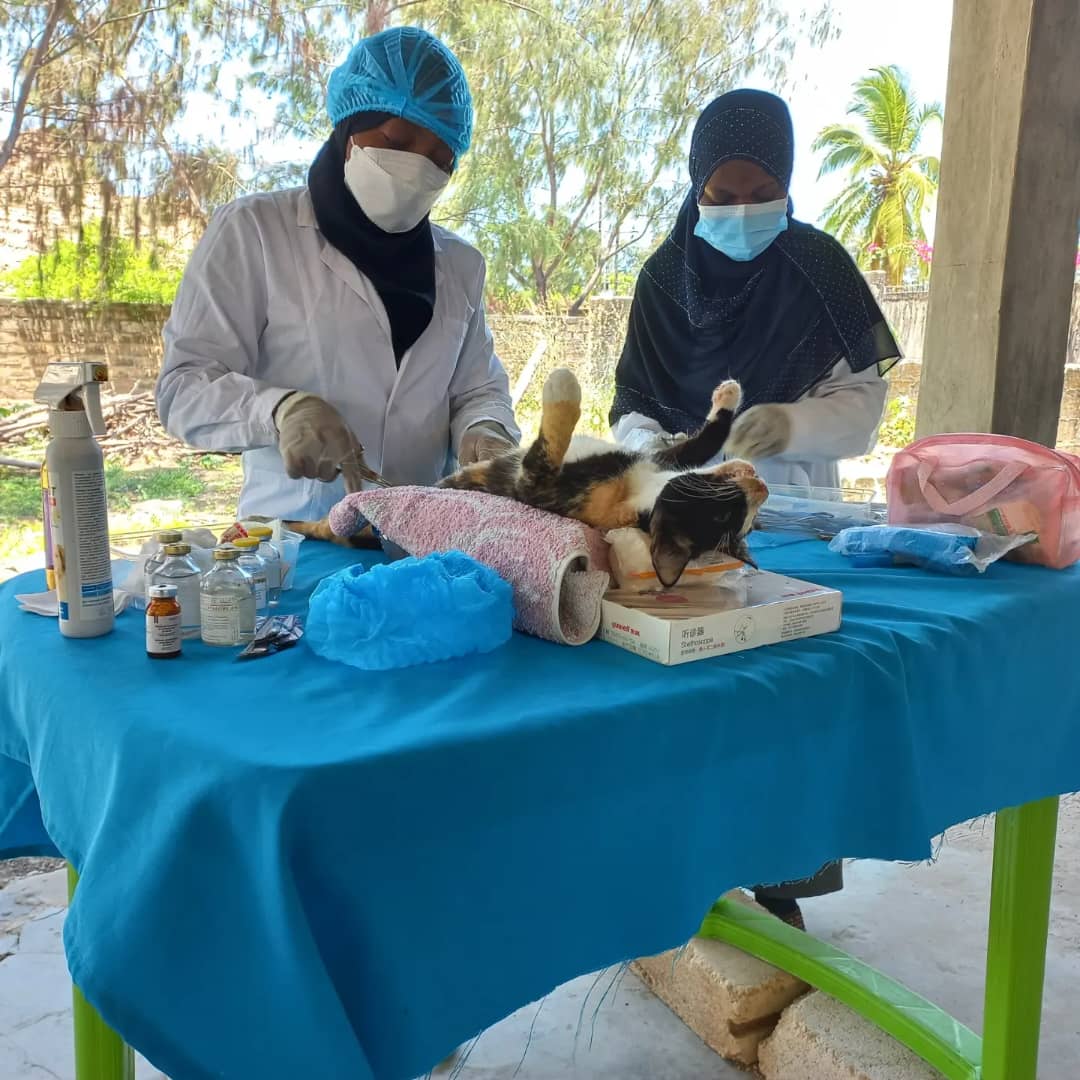
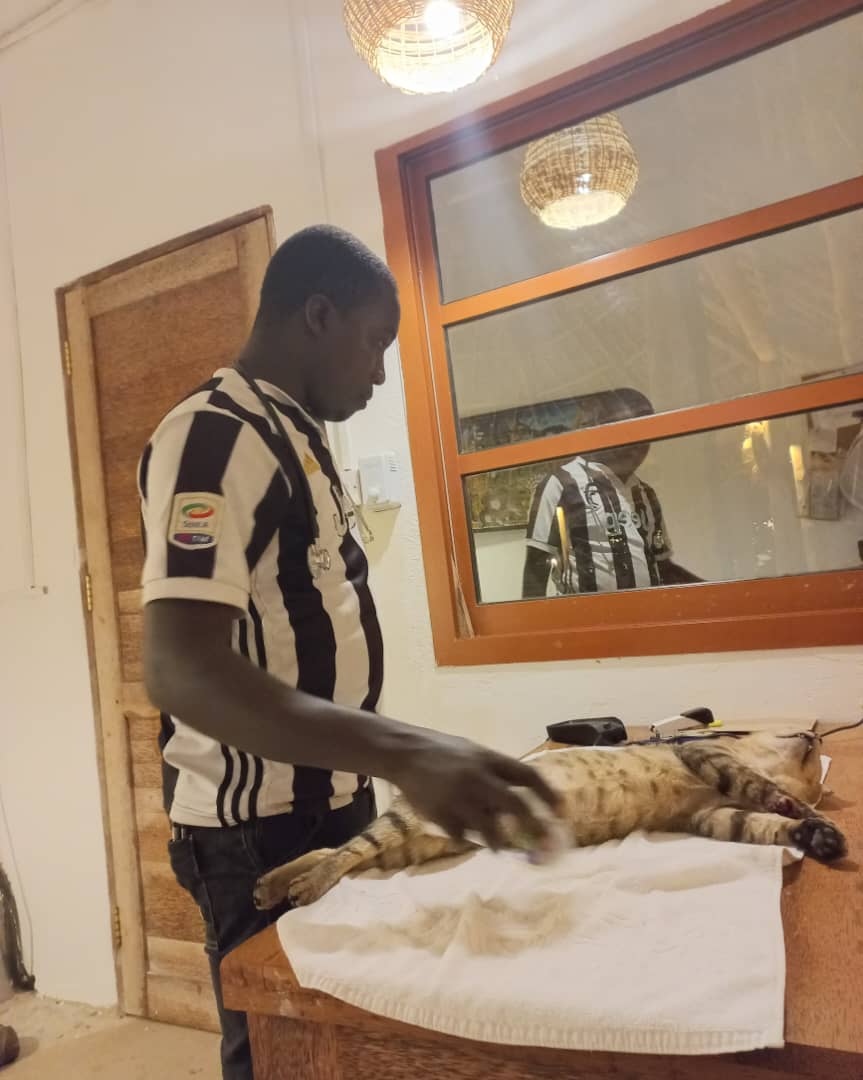
Zacare in Action: Treatments